Guest Post by: Units
Website: units.sa
For businesses that deal with temperature-sensitive products, storage is not just about space—it is about survival. Ice cream melts. Meat spoils. Vaccines become useless. Seafood decays. Without proper frozen storage, entire inventory batches can become worthless in hours. The difference between profit and loss often comes down to one factor: reliable, consistent freezing.
Professional Frozen Storage is a specialized service that maintains temperatures well below freezing, typically between -18°C and -25°C (-0.4°F to -13°F). At these temperatures, biological activity stops completely. Bacteria cannot grow. Enzymes cannot function. Food remains safe and fresh for months rather than days. This capability is essential for restaurants, food distributors, pharmaceutical companies, and any business handling perishable goods.
In this guest post, we will explore the critical role of frozen storage, explain why it differs from regular cold storage, and focus specifically on the growing demand in the Kingdom of Saudi Arabia. We will also reveal why one company stands above the rest as the top provider in the nation.
Frozen Storage
Not all cold storage is created equal. Many facilities offer “cool rooms” or “chill storage” at temperatures between 0°C and 4°C. This is suitable for fresh produce, dairy, and beverages—but entirely inadequate for frozen goods. True Frozen Storage requires industrial-grade freezing equipment and rigorous temperature monitoring.
Key requirements for professional frozen storage include:
- Sub-Zero Temperatures: Maintained consistently at -18°C or lower. Fluctuations above -15°C allow ice recrystallization, which damages food texture and quality.
- Blast Freezing Capability: For items entering storage, rapid blast freezing (dropping core temperature from room temperature to -18°C in under 4 hours) creates smaller ice crystals, preserving texture better than slow freezing.
- Redundant Cooling Systems: Backup refrigeration units that automatically engage if primary systems fail. A freezer breakdown can destroy an entire warehouse of inventory within 24 hours.
- Temperature Monitoring: 24/7 digital logging with alarms that trigger instantly if temperatures drift outside acceptable ranges.
- Frost-Free Operation: Automatic defrost cycles that prevent ice buildup without raising internal temperatures.
- Proper Pallet Storage: Heavy-duty racking designed for frozen goods, with wide aisles for forklift operation.
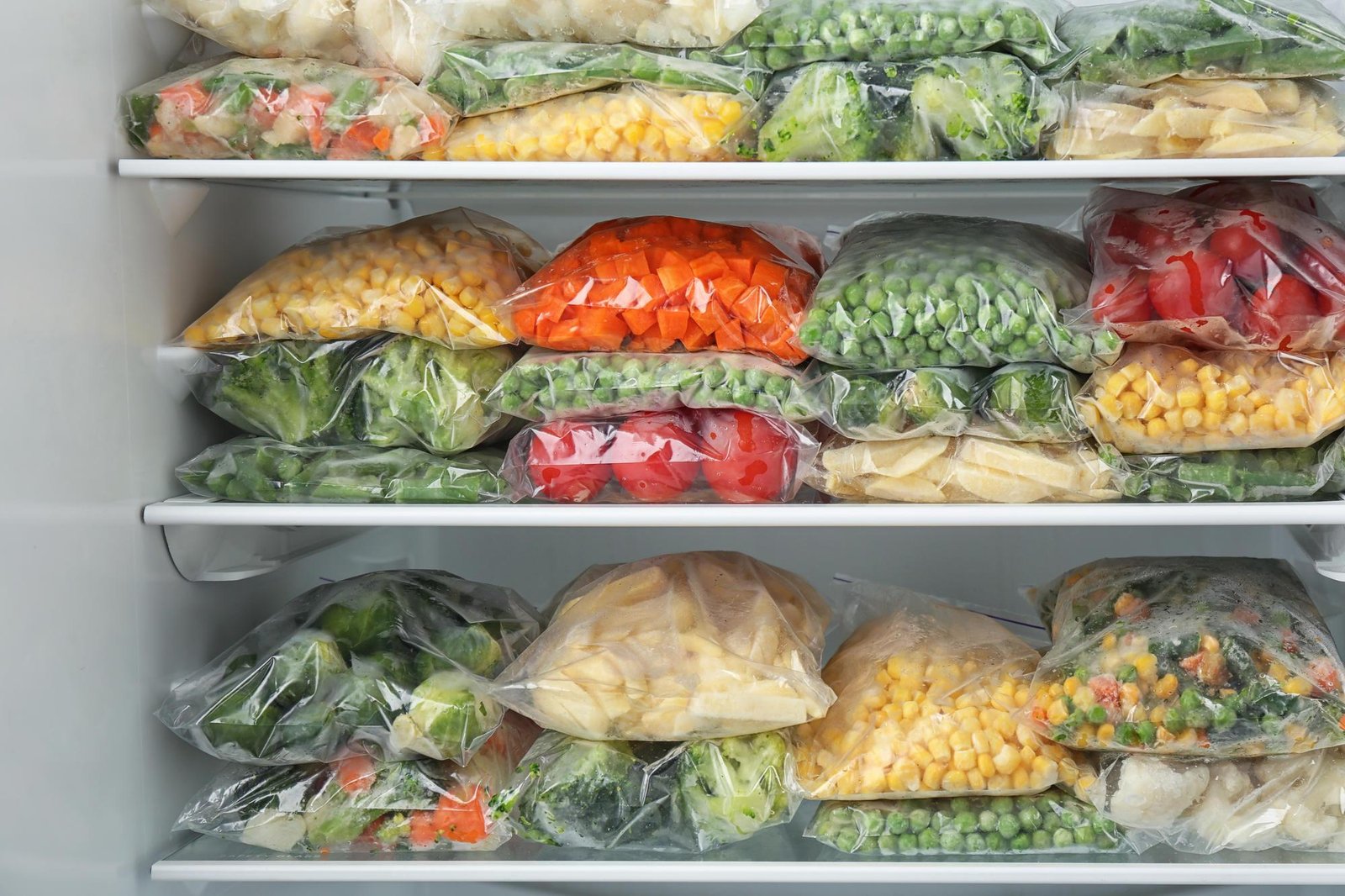
Items requiring professional frozen storage include: frozen meats and poultry, seafood, frozen vegetables and fruits, ice cream and frozen desserts, prepared meals, frozen dough and baked goods, certain pharmaceuticals and vaccines, biological samples, and laboratory reagents.
Units has built its reputation as a top company by delivering industrial-grade frozen storage, not converted cool rooms. Their freezers are purpose-built, redundantly cooled, and monitored around the clock. Your frozen products remain perfectly preserved for as long as you need storage.
Frozen Storage in Riyadh
Riyadh is the commercial and logistical heart of Saudi Arabia. The city’s restaurants, supermarkets, food importers, and pharmaceutical distributors generate enormous demand for Frozen Storage in Riyadh. Several factors make this demand unique.
Why Riyadh Needs Specialized Frozen Storage:
Extreme Summer Heat: Riyadh summer temperatures exceed 45°C. In this environment, a standard freezer works harder and is more prone to failure. Units’ facilities in Riyadh feature backup generators and redundant cooling systems specifically designed for extreme ambient temperatures.
Growing Food Service Industry: Riyadh’s restaurant scene has exploded in recent years. From fast-food chains to fine dining, every kitchen needs reliable frozen storage for ingredients. Many restaurants lack adequate on-site freezer space and rely on off-site frozen storage for bulk purchasing.
Pharmaceutical Supply Chains: Riyadh is home to major hospitals, clinics, and pharmacies. Many vaccines and biological medications require constant -20°C storage from manufacturer to patient. A break in the cold chain renders these products useless. Units provides validated frozen storage for pharmaceutical clients.
Food Import and Distribution: Riyadh serves as a distribution hub for the entire central region. Importers bring frozen goods through Jeddah Islamic Port or King Khalid International Airport, then store them in Riyadh before distributing to retailers across the Kingdom.
Units has established itself as the premier provider of Frozen Storage in Riyadh by offering multiple temperature zones, flexible contract terms, and 24/7 monitored facilities. Their Riyadh freezers maintain -20°C with less than 1°C variance. Clients receive monthly temperature logs for compliance and auditing purposes.
Businesses using Units’ frozen storage in Riyadh report significantly reduced product loss, lower energy costs (compared to running their own freezers), and the ability to buy frozen goods in bulk at wholesale prices without worrying about on-site capacity.
Frozen Storage in Saudi Arabia
Beyond Riyadh, the entire Kingdom is experiencing surging demand for Frozen Storage in Saudi Arabia. Vision 2030’s focus on food security, pharmaceutical self-sufficiency, and logistics infrastructure has made reliable frozen storage a national priority.
National Trends Driving Frozen Storage Demand:
Food Security Initiative: Saudi Arabia has set ambitious goals to increase domestic food production and strategic reserves. Frozen storage facilities are essential for maintaining buffer stocks of meat, poultry, and seafood.
Imported Food Volume: The Kingdom imports the majority of its frozen food. Importers need storage capacity at ports (Jeddah, Dammam) and distribution hubs (Riyadh) before goods move to retailers.
Pharmaceutical Growth: Saudi Arabia’s pharmaceutical manufacturing sector is expanding. Many products require frozen storage throughout the supply chain.
E-Grocery Expansion: Online grocery delivery services have grown rapidly. These businesses need distributed frozen storage near their delivery zones.
Hajj and Umrah Food Supply: Seasonal demand from pilgrims requires massive temporary frozen storage capacity. Facilities that can scale up during peak seasons are highly valued.
The Saudi Climate Challenge:
Storing frozen goods in a country where outdoor temperatures exceed 45°C presents unique engineering challenges. Freezers must have:
- Superior insulation (minimum 150mm of high-density foam)
- Powerful compressors rated for high ambient temperatures
- Backup power systems to handle grid fluctuations
- Automatic alarm systems that trigger via SMS and email
Cheap, consumer-grade freezers fail rapidly in Saudi conditions. Industrial-grade equipment is non-negotiable.
Units has emerged as the top provider of Frozen Storage in Saudi Arabia by investing in proper infrastructure. Their facilities feature:
- Industrial screw compressors from European manufacturers
- Real-time temperature monitoring with cloud backup
- 24/7 on-site engineering support
- Generator backup for complete power redundancy
- Regular preventive maintenance by factory-trained technicians
Units serves clients across the Kingdom, from small bakeries needing frozen dough storage to multinational food distributors warehousing container loads of frozen meat. Every client receives the same commitment to temperature integrity and product safety.
Units: The Top Company for Frozen Storage
With frozen storage options appearing across Saudi Arabia, why do businesses consistently choose Units as their top company? The answer lies in their engineering excellence, operational reliability, and customer-first approach.
What Makes Units Different:
| Feature | Units Advantage |
|---|---|
| True Industrial Freezers | Purpose-built, not converted cool rooms. -20°C guaranteed. |
| Temperature Monitoring | 24/7 digital logging. Alarms trigger at 1°C variance. |
| Backup Systems | Redundant compressors and on-site generators. |
| Blast Freezing Option | Rapid freezing available for incoming product. |
| Flexible Access | 24/7 access for clients with approved credentials. |
| Pallet-Friendly | Wide aisles, forklift available, heavy-duty racking. |
| Clean and Organized | Regular sanitation, pest control, and spill management. |
| Commercial Focus | Designed for business needs, not casual storage. |
| Transparent Pricing | Per-pallet or per-cubic-meter pricing. No hidden fees. |
| Compliance Support | Temperature logs provided for regulatory audits. |
The Units Frozen Storage Promise:
Your product’s safety is Units’ only priority. If a freezer malfunction damages your inventory (proven to be caused by facility equipment failure), Units will compensate you for the loss. This guarantee is rare in the storage industry and reflects Units’ confidence in their systems.
Visit units.sa today to discuss your frozen storage requirements. Their team will assess your volume, temperature needs, and access requirements—then provide a custom quote within 24 hours.
Conclusion
Frozen goods are unforgiving. A few hours above temperature can destroy thousands of riyals worth of inventory. A single freezer breakdown during a holiday weekend can wipe out months of supply. Professional Frozen Storage eliminates these risks through industrial equipment, redundant systems, and constant monitoring.
The need for Frozen Storage in Riyadh continues to grow as the capital’s food, pharmaceutical, and logistics sectors expand. Businesses that rely on frozen products need partners who understand the science of preservation.
Across the Kingdom, Frozen Storage in Saudi Arabia is becoming a strategic asset. Food security, pharmaceutical safety, and supply chain resilience all depend on reliable cold chain infrastructure.
Units stands ready to meet this need. As the top company for frozen storage, Units delivers industrial-grade freezers, 24/7 monitoring, and absolute temperature integrity. Your products are not just frozen—they are protected.
Do not trust your frozen inventory to converted cool rooms or consumer freezers. Visit units.sa today and partner with the professionals.
Frequently Asked Questions (FAQs)
1. What temperature do Units’ frozen storage units maintain?
Units maintains a consistent temperature of -20°C (-4°F) across all frozen storage areas. Temperature is monitored 24/7 with digital sensors. Monthly temperature logs are provided to clients upon request. For specific products requiring different temperatures (e.g., -25°C for ice cream or -15°C for certain meats), Units offers customized temperature zones by prior arrangement.
2. Can I access my frozen storage unit at any time?
Yes. Units clients with approved credentials can access their frozen storage 24 hours a day, 7 days a week, 365 days a year. The facility is staffed during business hours and secured with 24/7 CCTV and access control outside business hours. For large pallet movements requiring forklift assistance, advance notice is recommended to ensure equipment availability.
3. How do you prevent freezer burn on my products?
Freezer burn is caused by temperature fluctuations and exposure to dry air. Units’ industrial freezers maintain exceptionally stable temperatures (variance less than 1°C) and proper humidity levels. However, we strongly recommend that clients use appropriate packaging—vapor-proof wraps, vacuum sealing, or sealed plastic containers. Units can advise on best packaging practices for your specific products.
4. Do you offer blast freezing for fresh products?
Yes. Units offers blast freezing services for clients bringing fresh (not frozen) products. Blast freezing rapidly lowers the core temperature of products, creating smaller ice crystals and preserving better texture than slow freezing. This service is particularly popular for bakeries, seafood importers, and meat processors. Additional charges apply based on volume and required freezing speed.
5. Is my inventory insured while in storage?
Units facilities are secured with 24/7 monitoring, but Units does not automatically include insurance in storage fees. You may either: (1) extend your existing business insurance to cover stored inventory, (2) purchase insurance through Units’ partner provider, or (3) self-insure. Units requires proof of insurance or signed waiver for high-value inventory exceeding 100,000 SAR. The temperature guarantee (compensation for equipment-caused damage) is separate from general insurance.
Ready to secure your frozen inventory?
Visit units.sa to request a quote for frozen storage today.